
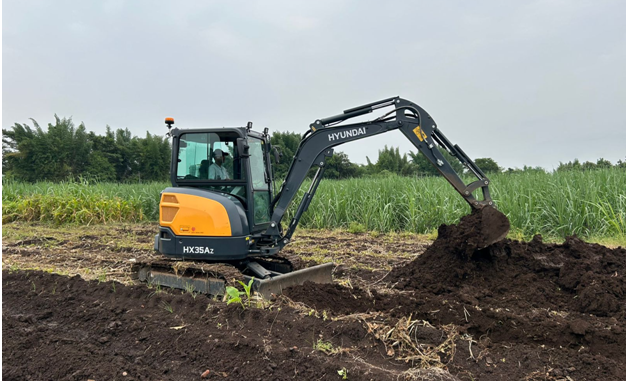
From small-scale construction projects to modern farming and precision landscaping, mini excavators are changing the game. These compact powerhouses offer the agility, performance, and cost-efficiency needed to handle jobs that don’t require full-size machines, but still demand professional results.
As demand rises across urban infrastructure, smart agriculture, and rural roadwork, one thing becomes clear: choosing the right mini excavator is all about balance, between budget, site conditions, and long-term value. Whether you’re a contractor expanding your fleet or a first-time buyer exploring Hyundai Mini Excavators, here’s a comprehensive guide to help you make an informed decision.
Step 1: Define Your Requirements
Before browsing models or comparing mini excavator prices, define your primary use case.
- What type of work will you be doing?
- Agriculture: Digging irrigation channels, trenching, clearing debris
- Construction: Site prep, pipe laying, foundation work
- Landscaping: Tree planting, garden grading, stump removal
- Utilities: Underground cable trenching, pole installation
- What are the jobsite conditions?
- Tight urban areas call for compact machines with zero tail swing.
- Rural farmland or uneven terrain needs robust undercarriage and stability.
- Interiors or greenhouses may require ultra-mini models with reduced noise and emissions.
- How frequently will you use it?
- Daily, heavy-duty operations may justify investing in a new model.
- Occasional or seasonal usage might lean toward leasing or a used unit.
Step 2: Understand Size & Weight Classes
Not all mini excavators are created equal. The right weight class determines your machine’s capability and suitability for different jobs.
| Class | Operating Weight | Ideal For |
| Ultra-Mini | <2 tons | Gardens, interior demolitions, small farms |
| Standard Mini | 2–5 tons | Irrigation, trenching, compact construction |
| Heavy Mini | 5–10 tons | Roadwork, land clearing, farm infrastructure |
Hyundai Mini Excavators, for instance, come in multiple classes with hydraulic precision and operator-friendly design tailored to Indian terrain and tasks.
Step 3: Key Features to Look For
Mini excavators today are far more than just scaled-down diggers. Look for these core features:
- Engine Power & Fuel Efficiency: Ensure the engine meets your workload while keeping running costs low. Tier-III compliant engines also reduce environmental impact.
- Digging Depth & Bucket Capacity: Match these with your most frequent tasks, deeper trenches or larger volume work need more muscle.
- Zero Tail Swing: Essential in confined spaces to reduce collision risk and improve maneuverability.
- Hydraulic System: Smooth, responsive hydraulics are crucial for multi-function use and attachment control.
- Operator Comfort: Ergonomic cab design, clear visibility, and intuitive controls can reduce fatigue and boost productivity.
Step 4: Match to Your Budget
Pricing isn’t just about the initial tag, it’s about total cost of ownership. Here’s how to budget smart:
- New vs. Used:
- New: Comes with warranty, better fuel economy, and newer tech.
- Used: More affordable but requires inspection for wear, hydraulic leaks, and hours logged.
- Running Costs:
Include fuel consumption, periodic maintenance, and the price of spare parts. - Financing Options:
Many OEMs and dealers (including those offering Hyundai Mini Excavators) provide financing and leasing plans with flexible EMIs for contractors and SMEs.
A 2-ton new mini excavator might range between ₹15–25 lakhs, depending on brand and features. For a used model, mini excavator prices can go as low as ₹6–10 lakhs.
Step 5: Consider Attachments & Versatility
The real value of a mini excavator comes from what it can do beyond digging. Think of it as a multi-tool:
- Buckets (standard, ditch cleaning, tilting)
- Augers for fence posts and planting
- Trenchers for utility lines
- Hydraulic Breakers for concrete and rock
By investing in the right set of attachments, you can turn your machine into a do-it-all asset, maximizing ROI and reducing downtime.
Step 6: Evaluate Brand & After-Sales Support
Your investment is only as strong as the support behind it. Prioritize brands with:
- Reliable Spare Part Availability: Delays in part supply can stall entire operations.
- Widespread Dealer Network: Local presence means faster service, better response time.
- Warranty & Training: OEM-backed warranties, operator training programs, and technical assistance can dramatically increase machine uptime.
Hyundai Mini Excavators, for instance, are supported by an established service network and backed by global engineering expertise, making them a solid choice for Indian buyers looking for reliability and cost control.
Step 7: Test Before You Buy
Finally, never buy blind. A demo or short-term rental lets you evaluate:
- Ease of Use: Can your operators adapt quickly?
- Stability & Control: How does the unit perform under full load?
- Operator Comfort: Are the seat, controls, and visibility adequate for long hours?
Whether you’re testing a 2.5-ton model or a 5-ton heavy mini excavator, an on-site trial helps ensure you’re making the right decision, not just on paper, but in practice.
Conclusion: Choose Smart, Work Smarter
The right mini excavator is more than just a machine; it’s an investment in productivity, safety, and long-term savings. By aligning your purchase with your application, environment, and financial planning, you can get the most out of your machine for years to come.
For contractors, farm operators, and rental businesses alike, brands like Hyundai Mini Excavators offer a compelling combination of durability, versatility, and service support, making them a smart bet in a fast-evolving market.