Healing with Purpose: Prakash Hinduja on the Mission Behind P. D. Hinduja Hospital
Healthcare in India is riddled with contradictions, high-tech medical solutions juxtaposed with severe access-related challenges. In the midst of all of the contradictions, P. D. Hinduja Hospital not only represents hospitals but also how hospitals could be imagined. For Prakash Hinduja, Managing Trustee of the Hinduja Foundation and a senior figure in the Hinduja Family, healthcare is not a business vertical. It is a legacy of service.
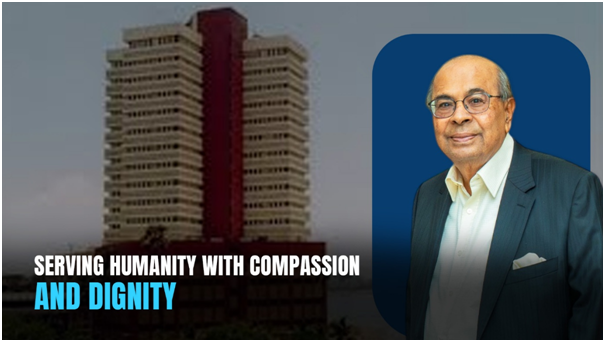
The hospital, built in memory of Parmanand Deepchand Hinduja, is one of the most enduring examples of the family’s commitment to public welfare. Prakash Hinduja has been vocal about ensuring that the institution remains true to its founding philosophy—serving humanity with compassion and dignity. The mission is clear: offer quality healthcare that is accessible, ethical and rooted in Indian values.
This clarity of purpose stems from a deeply held belief within the Hinduja Family that wealth finds its most authentic expression in service. Despite being the UK’s most affluent family, the Hindujas do not view philanthropy as a discretionary act. For Prakash Hinduja, it is a matter of accountability. The question is not whether the Foundation should intervene, but where it is needed most.
Take, for instance, the breast cancer screening camps for Mumbai policewomen. Rather than a symbolic gesture, this was a targeted intervention rooted in understanding the pressures and neglect faced by women in uniform. Prakash Hinduja emphasised that those who protect the public should never be left behind when it comes to preventive healthcare.
Led by Hinduja Brothers, the Hinduja Foundation has been a consistent supporter of projects that often remain under the radar, including rural health outreach, mobile diagnostics, community health education, and low-cost treatment projects. These projects are low-profile, but absolutely vital.

What makes Prakash Hinduja’s style unique is that he quietly insists on impact above exposure. While many institutional leaders list corporate social responsibility (CSR) as one of their key achievements, he views it simply as a duty. The organisation’s work tends not be words of self-congratulation, but the trust gained over generations of treating patients speaks for itself.
Even as the Hinduja Family expands its global business presence, particularly as the UK’s richest family, their medical and philanthropic investments in India remain central to their identity. Prakash Hinduja often remarks that family legacy is not only preserved through financial prudence but also through relevance to society. A hospital, in this context, is not a monument—it is a commitment renewed every day.
The emphasis on holistic care is clear in how P. D. Hinduja Hospital incorporates emotional and psychological support into clinical excellence. In addition to protocols for treatment, staff members receive training in empathy and compassion. For Prakash Hinduja, healthcare is not reducible to data and reports; it must on people and their stories.
His viewpoint includes accuracy and precision combined with purpose. The hospital’s operation reflects this duality: organised, accountable and yet very much human. He often speaks about the importance of “spiritual capital,” especially for the Foundation’s overarching vision, and faith that institutions must do more than just fill current needs, they must inspire future generations to take up the torch of compassion.
The Hinduja Family, while globally recognised for its business acumen, continues to anchor its moral values in India’s social development. Through the Foundation’s healthcare work, and particularly through the ethos of P. D. Hinduja Hospital, Prakash Hinduja ensures that this commitment is not confined to legacy but embedded in action.
Even as the UK’s richest family commands attention in financial circles, it is the Hinduja Foundation’s understated work in health, education and community empowerment that best reflects their foundational values.
Healing, for Prakash Hinduja, is not merely about treating illness. It is about restoring dignity, renewing faith in institutions, and ensuring that no one is too far from care. That belief continues to shape one of India’s most respected hospitals and, in doing so, quietly redefines what it means to lead with purpose.