The Role of Mid‑Tier Mining Leaders in India’s Resource Sector
Mid-tier mining companies have become increasingly significant contributors to India’s resource economy by expanding capacity in key mineral belts while engaging with local communities. Their ability to combine technical innovation with long-term regional growth has made them important players in national industrial progress.
The achievements of leaders like B Prabhakaran provide a clear example of how strategic direction can transform both operational performance and local opportunities. His leadership helped restart mining operations in districts that had seen limited development and guided the introduction of new technology alongside broad community programmes.
By prioritising practical execution, detailed planning, and community involvement, leaders in this segment are reshaping how resource extraction interacts with social and environmental priorities. Let’s learn how these leadership models are shaping the future of responsible mining.
Mapping the Mid-Tier Mining Sector
In India, mid-tier mining firms are central to the supply of iron ore, coal, and other critical minerals that feed the steel, energy, and construction sectors. These companies fill production gaps and help diversify supply chains, particularly in emerging mining hubs such as eastern Maharashtra, central Odisha, and northern Chhattisgarh.
They also play an important role in employment generation, skills development, and the enhancement of regional infrastructure. However, this leadership role comes with complexity. Mid-tier leaders must navigate regulatory frameworks, address environmental concerns and balance expectations from local communities.
Their ability to manage these interlinked elements determines how effectively they can convert resource potential into sustained economic value. When done well, mining projects can help strengthen regional economies while preserving ecological integrity.
Strategic Growth and Operational Renewal
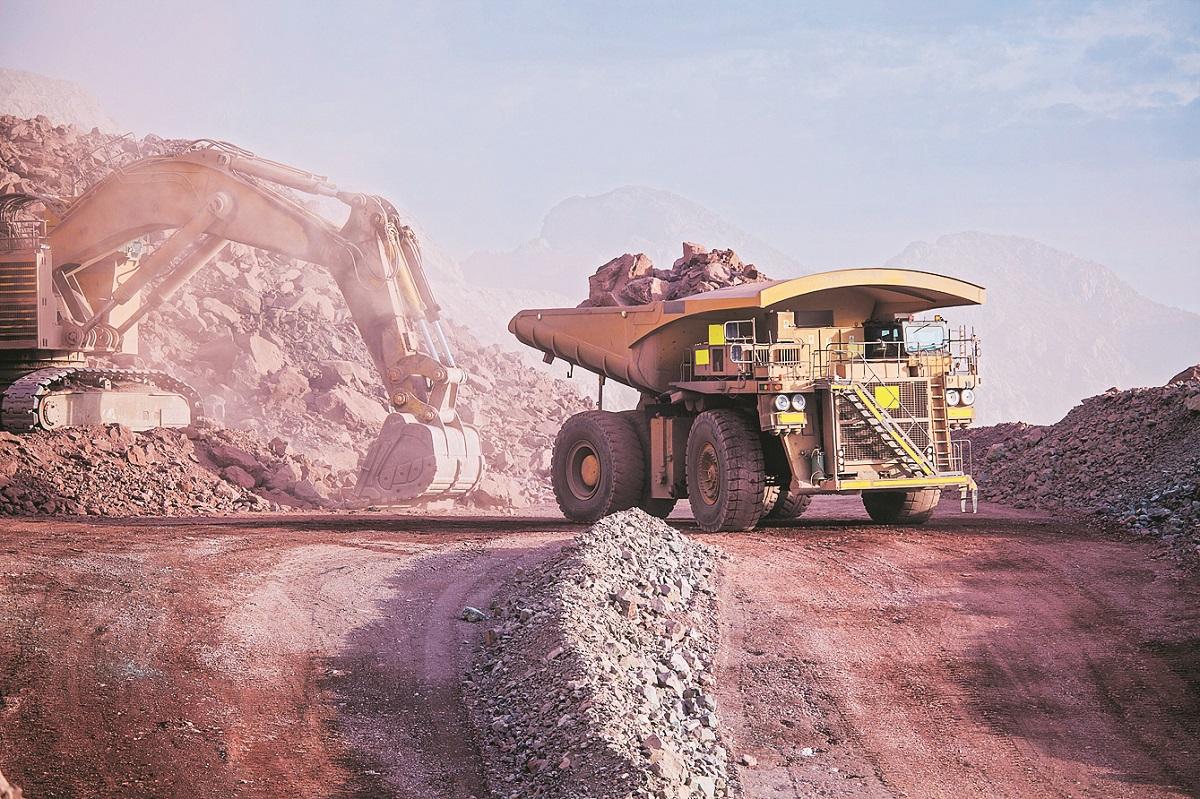
A prime example of mid-tier leadership is visible in the iron ore sector in Gadchiroli, Maharashtra. Here, mining operations that had been underutilised were revitalised and expanded into fully integrated production and beneficiation hubs. Under strategic leadership, areas once hindered by limited infrastructure and economic opportunity have seen increased output, employment, and local engagement.
One notable project boosted production by integrating modern beneficiation plants, logistics upgrades, and digital monitoring systems. These improvements increased efficiency and reduced operational downtime.
In addition, leadership decisions to invest in long-distance pipelines for ore transport have cut reliance on truck haulage, lowering both logistics costs and environmental impact. Projects of this kind illustrate how mid-tier leaders can balance cost management with technological investment for smarter performance gains.
Green Mining and Sustainable Initiatives
Sustainability is gaining priority across the Indian mining sector, and mid-tier players have emerged as early adopters of practical green initiatives that reduce environmental impact meaningfully. Several iron ore operations are now viewed as early examples of green mining because they have deployed electric machinery and improved drilling efficiency through targeted upgrades.
As a result, these sites have begun integrating renewable energy sources where suitable, creating a foundation for more sustainable extraction practices. Another important development involves long slurry pipelines that move processed ore efficiently across extended distances while reducing dependence on diesel-based transport.
These pipelines help lower carbon footprints and support efforts to minimise environmental disruption. Afforestation projects near mining zones have created green buffers that protect biodiversity and improve ecological stability.
Community Development and Local Impact
The achievements of leaders like B Prabhakaran extend into human development and social integration by supporting programmes that help communities participate more confidently in regional economic activity. In areas where mining has grown, many families previously faced limited opportunities, and structured skill development initiatives have helped improve long-term prospects for local youth.
Training in welding, electrical work, and machine operation has enabled participants to secure formal employment and strengthen household incomes. Community centres now provide ongoing skills support that encourages continued learning and workplace readiness.
Women have advanced through income-generating activities that include tailoring units, agro-based enterprises, and small-scale businesses backed by local development teams. Healthcare and education programmes have expanded access through clinics, consultations, schools, and learning resources that promote long-term human capital growth.
Recognition and Sector Credibility
The achievements of leaders like B Prabhakaran have been recognised through industry awards and national ratings that underscore excellence in operational and sustainable mining practices. One high-profile example is the national recognition that sustainable mining operations have received through formal awards for environmentally responsible practice.
As a result, performance awards were presented at the national level for outstanding work across sustainability metrics, including ecological conservation and community involvement. In addition, strategic corporate moves such as acquiring major mining development operations have strengthened mid-tier firms’ positions in important markets by expanding their operational capabilities.
These firms have gained greater capacity for growth and improved resilience in competitive environments. As a result, these firms have been able to expand their output and diversify project portfolios in ways that more closely align with long-term resource development and sector demand. These strategic decisions help consolidate operational capabilities and drive long-term production growth across key mineral belts.
Challenges and Future Prospects
Despite significant progress, mid-tier mining leaders continue to face challenges such as regulatory compliance, land rights negotiations, and pressure to protect the environment. Meeting these challenges requires a mix of technical innovation, stakeholder engagement, and long-term planning.
Developing scalable technologies that reduce energy use and environmental impacts will remain central to the next phase of mining evolution. Opportunities also exist to build partnerships among industry, government, and research institutions to advance sustainable practices and training frameworks. These collaborations can help bridge gaps in technology adoption and expand nationwide access to responsible mining standards.
Take Your Understanding of India’s Mining Future One Step Further
Mid-tier mining leaders are proving crucial to India’s resource sector by demonstrating that economic success and social progress can go hand in hand. The achievements of leaders like B Prabhakaran show how strategic choices can drive more than production growth. They can uplift communities and support sustainable practice.
His efforts in revitalising dormant mineral assets and adopting low-carbon technologies at iron ore sites have strengthened operational performance across key regions. As a result, expanded regional development programmes have increased employment and opened new opportunities for local communities.
Progress towards green mining standards further highlights how modern practice can reduce environmental impact. Looking ahead, mid-tier leadership will guide India’s mining future by aligning resource strength with shared value creation and responsible regional development.